


Now position:Home > Hot-Dip Galvanizing(HDG) Process
Hot-Dip Galvanizing(HDG) Process
Galvanizing of Process
一、Galvanizing of Process
Introduction to Hot-Dip Galvanizing
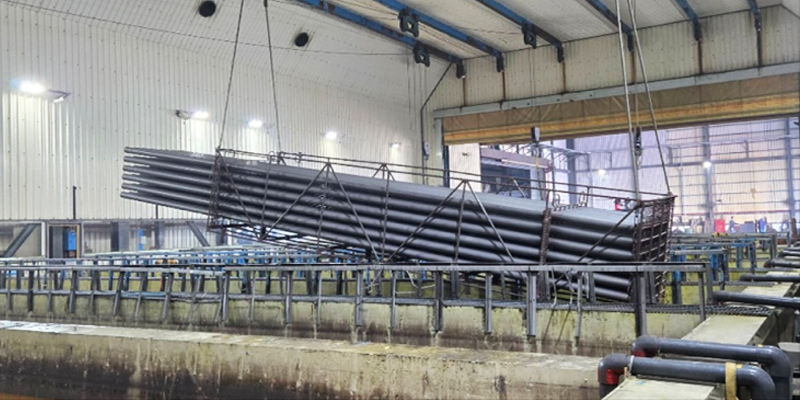
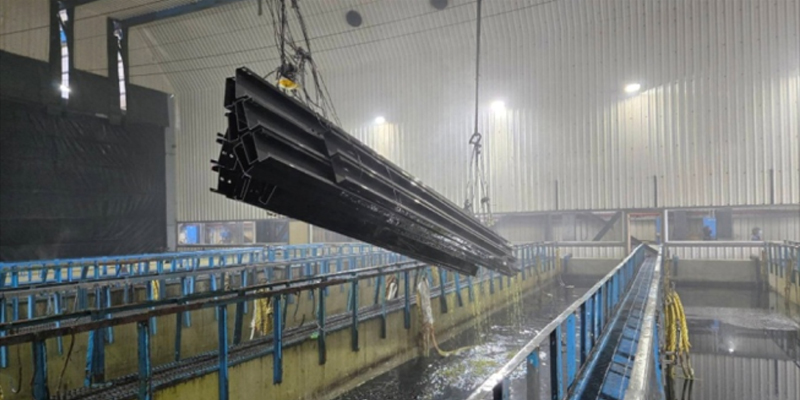
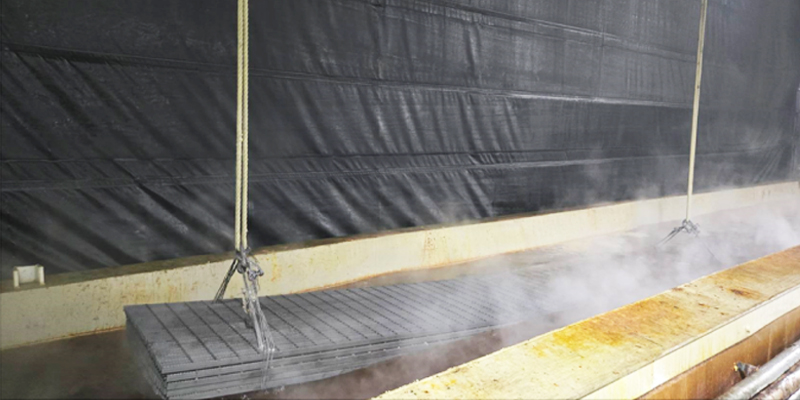
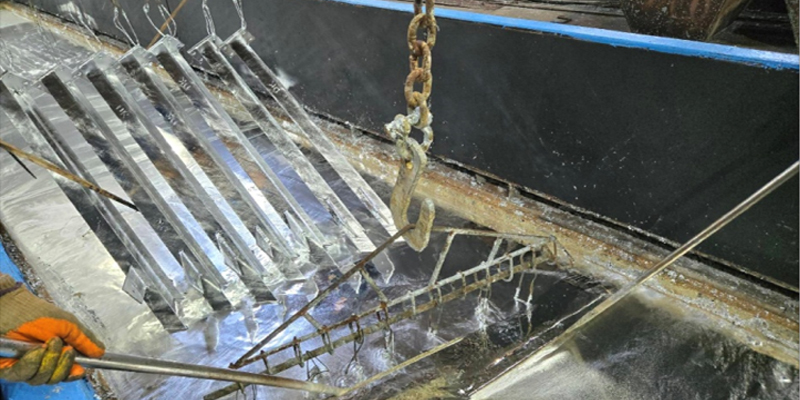
In simple terms, the principle of hot-dip galvanizing is to immerse cleaned iron parts in a molten zinc bath through a fluxing agent, allowing the steel to react with molten zinc to form an alloyed zinc layer.
A good hot-dip galvanizing process requires strict control at each stage to ensure each process functions optimally. Defects in one stage can trigger a chain reaction of problems in subsequent stages, significantly increasing operating costs or resulting in defective hot-dip galvanized products. Poor pretreatment prevents the molten zinc from fully reacting with the steel to form a perfect zinc layer. Poor post-treatment can damage the appearance of the zinc layer, reducing its commercial value.
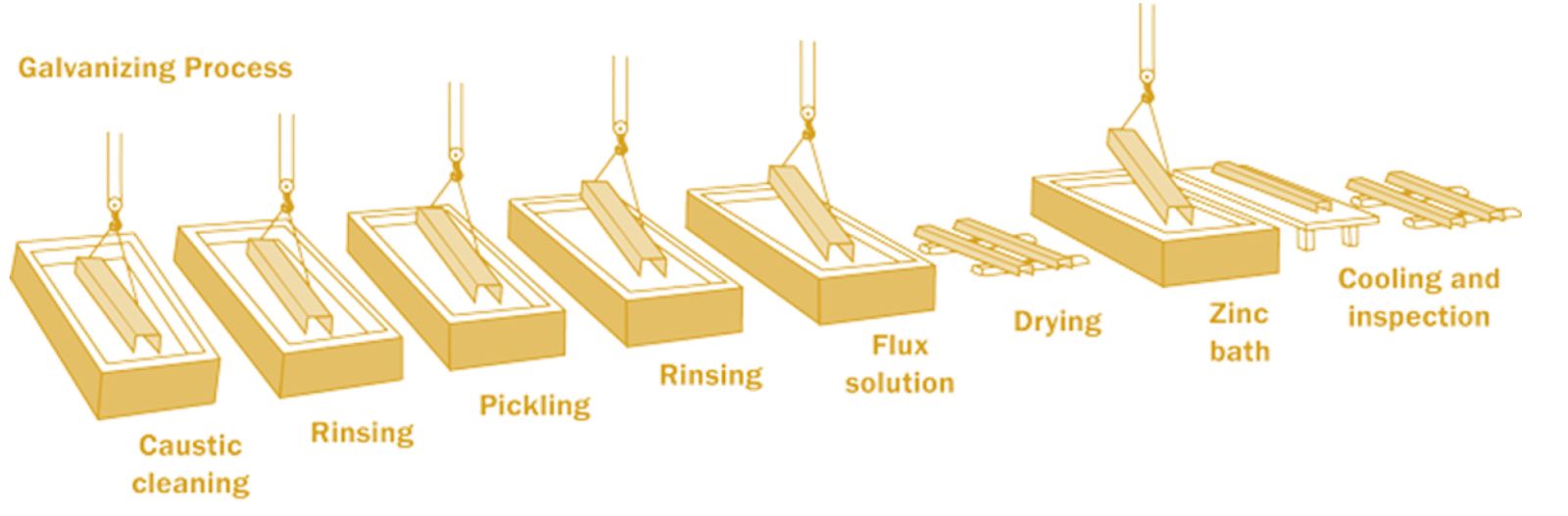
Hot-dip galvanizing process diagram
Introduction to Hot-Dip Galvanizing
In simple terms, the principle of hot-dip galvanizing is to immerse cleaned iron parts in a molten zinc bath through a fluxing agent, allowing the steel to react with molten zinc to form an alloyed zinc layer.
A good hot-dip galvanizing process requires strict control at each stage to ensure each process functions optimally. Defects in one stage can trigger a chain reaction of problems in subsequent stages, significantly increasing operating costs or resulting in defective hot-dip galvanized products. Poor pretreatment prevents the molten zinc from fully reacting with the steel to form a perfect zinc layer. Poor post-treatment can damage the appearance of the zinc layer, reducing its commercial value.
Hot-dip galvanizing process diagram
Galvanizing of Process
STEP 1
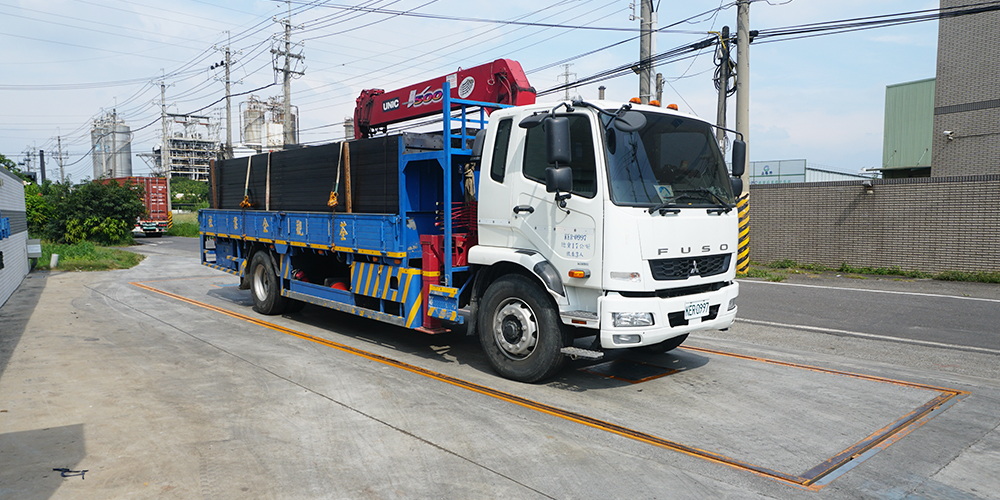
Weighing
Each batch of steel is weighed before it arrives at the factory.
STEP 2
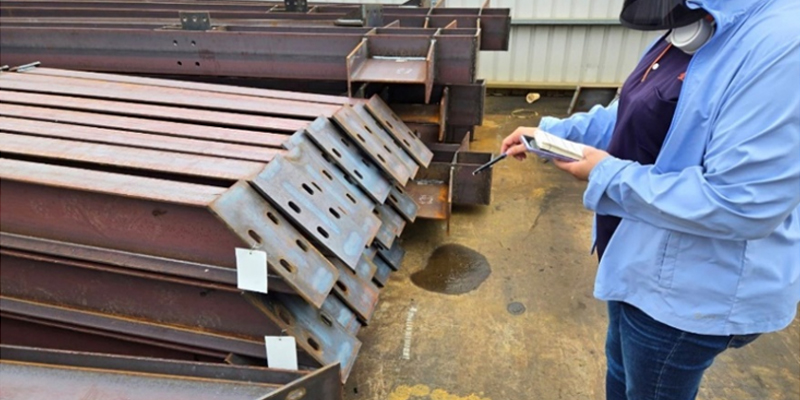
Material Inspection/Requisition upon Arrival
The quantity of steel is counted each time a batch arrives at the factory.
Stiffening plates or connecting plates welded to channel steel or beams and columns should have holes drilled or their ends cut beforehand, large enough to allow for the passage of molten zinc.
Stiffening plates or connecting plates welded to channel steel or beams and columns should have holes drilled or their ends cut beforehand, large enough to allow for the passage of molten zinc.
STEP 3
Defatting
Degreasing solutions can remove organic contaminants from steel surfaces, such as dirt, grease, and oil. However, epoxy resin, paint, and asphalt adhering to the steel surface cannot be removed by degreasing and must be removed by sandblasting or other methods before galvanizing.
STEP 4
Pickling
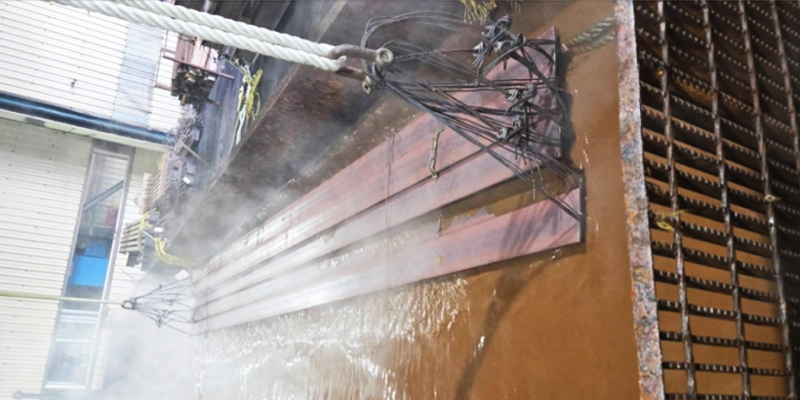
Use acidic solutions to remove rust from steel surfaces.
STEP 5
Water wash
The water washing process removes excess acidic solutions or adhering rust oxide from the steel surface, resulting in a cleaner surface.
The water washing process also prevents excess chemicals from being carried into the next processing tank, avoiding cross-contamination between tanks.
The water washing process also prevents excess chemicals from being carried into the next processing tank, avoiding cross-contamination between tanks.
STEP 6
Help plating
Using flux can prevent steel from oxidizing before hot-dip galvanizing, and flux can accelerate the bonding of zinc ions with steel.
STEP 7
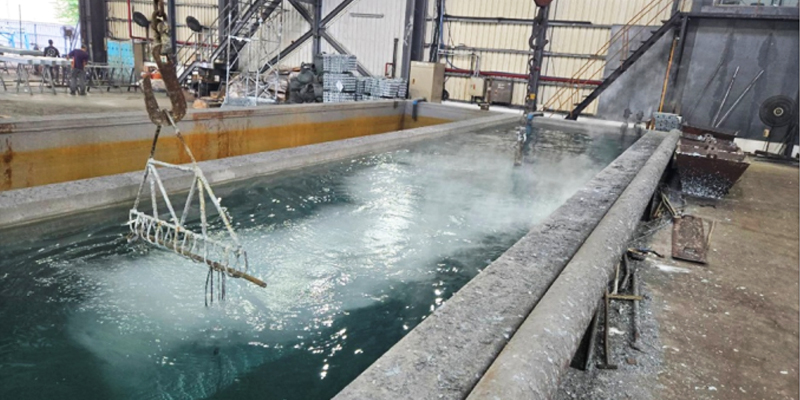
Hot-dip galvanizing
After cleaning, the steel is hot-dipped in a molten zinc boiler at a temperature of 450-460°C; the hot-dip time varies depending on the size and thickness of the steel.
The zinc reacts with the iron in the steel to form a series of metallurgically bonded zinc-iron intermetallic alloy layers (galvanized layers).
The zinc reacts with the iron in the steel to form a series of metallurgically bonded zinc-iron intermetallic alloy layers (galvanized layers).
STEP 8
cool down
After the parts are removed from the molten zinc boiler, they are briefly immersed in water to cool them down.
STEP 9
Sorting/Quality Inspection
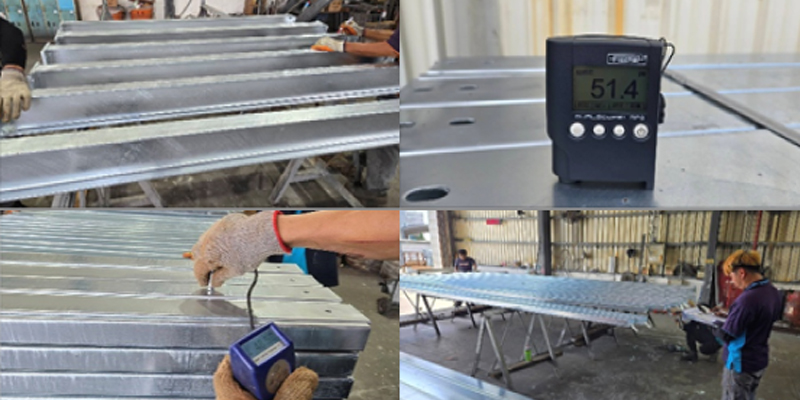
Rough zinc oxide on the plated surface is smoothed using a grinding machine.
The uniformity and adhesion of the magnetic coating are checked using instruments or visual inspection to assess its thickness.
The uniformity and adhesion of the magnetic coating are checked using instruments or visual inspection to assess its thickness.